About Graphene Integrations: a US Graphene Manufacturer
Graphene Integrations is a US graphene manufacturer in Charlotte, NC, making graphene-enhanced additives for coolants, lubricants, concrete and coatings. Founded in 2015, the company is led by CEO Frans Alkemade and has 10 employees.
We make graphene in the USA and integrate it into the materials manufacturers already use, supplying it dispersed in water, solvents, resins and oils.
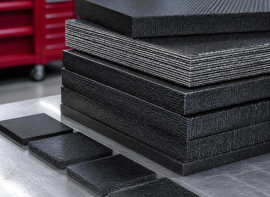
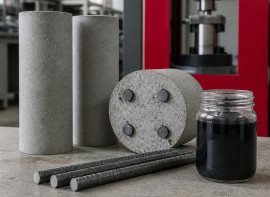
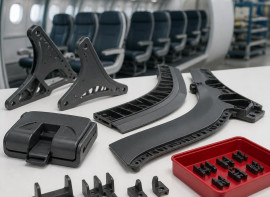
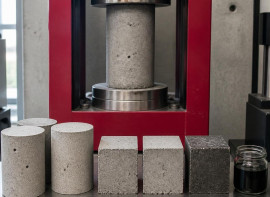
Our work includes a graphene concrete additive that gave a 67% gain in compressive strength at 5% by weight of cement in independent third-party testing in 2023; graphene polymer composites for ballistic armor, developed with Advanced Armor Research Group (AARG) and evaluated with V50 ballistic testing; a graphene lubricant that reduced four-ball wear-scar diameter by up to 42% and raised weld load by 26% in independent lab testing; and four graphene car care products developed with ITW for Rain-X and Black Magic.
We work with each customer from samples and testing through to production.
Mission Statement
Our mission is to make graphene practical for manufacturers: ready-to-use graphene materials that improve real products in construction, manufacturing and beyond.
We test with our customers in their own materials, and we publish results only when we have the data to back them.
Partners we have worked with include AARG and ITW. Our history goes back to the creation of 100% pure graphene. See our graphene products. Our sister company, Nano Technology Chemicals (NTC), is a US chemical distributor and toll blender, also based in Charlotte, NC.
For concrete applications, explore strength-tested mixes and embodied carbon, including a conditional cement-production calculation—not a measured GI carbon saving. Explore the concrete and embodied-carbon guide.
Choose evidence for the product you are developing
Match the evidence to the application: a lubricant wear-scar result, a water-loop heat-transfer result and a concrete strength result answer different questions. Compare your own formulation at the required performance, then measure energy, material use and service needs, including additive and carrier impacts.
Application testing and environmental assessment · Lubricant test evidence · ThermaGraph / ThermaGraph-D · Concrete and embodied carbon