
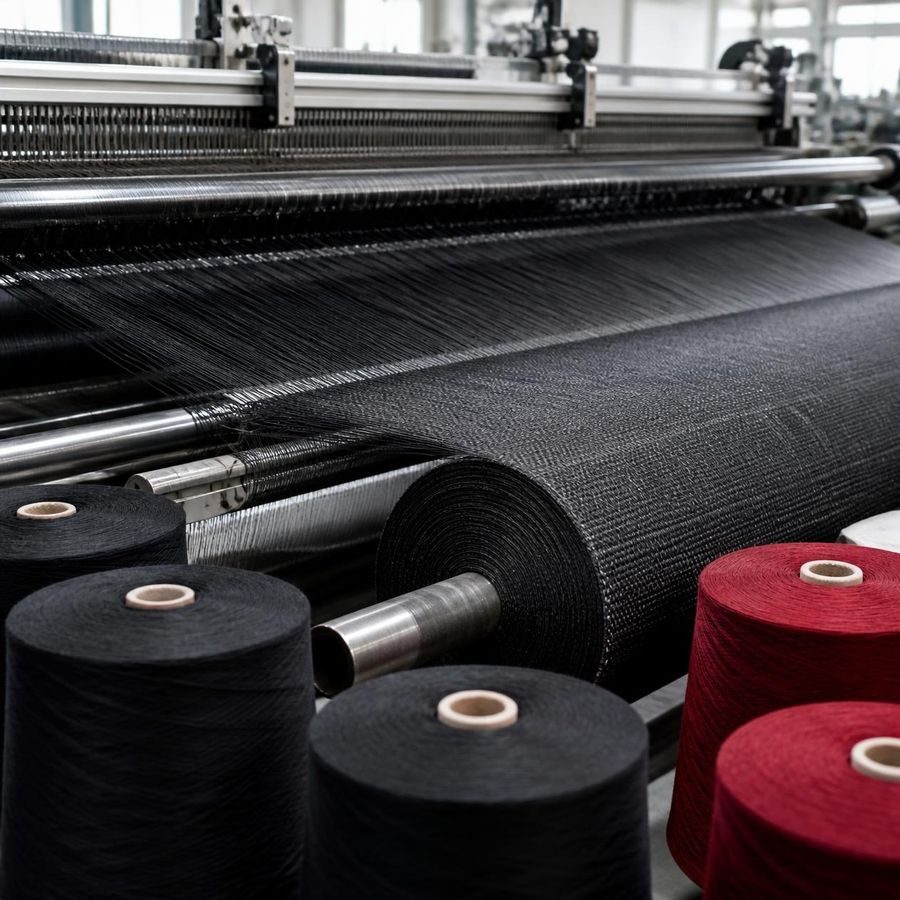
In outdoor and hunting gear, graphene is used and studied as a small addition to fabrics, rubbers, composites and coatings, with the aim of spreading heat, improving barrier and wear properties, or making parts stiffer and tougher at the same weight. Results depend on the base material, the graphene grade and how well it is dispersed, so each product needs its own testing against the version without graphene.
Graphene Integrations supplies graphene already dispersed in water, solvents and resins, so gear makers can test it in their own materials.
Where is graphene used in outdoor apparel?
Graphene coatings and fibers can spread heat more evenly across a fabric, and some outdoor jackets and base layers already use graphene for this. Graphene in fabric coatings is also studied for barrier properties and abrasion resistance. We do not make claims about camouflage, temperature regulation or moisture wicking. See graphene textiles and graphene textile finishing.
How is graphene used in footwear?
Graphene-enhanced rubber has been used in commercial hiking and running shoe outsoles for grip and wear life. Rubber compounders evaluate abrasion, tear and hardness against their base compound. Our rubber additive and guide to graphene rubber compounding explain the approach.
Can graphene improve composite gear such as bows, shafts and cases?
Graphene in resins and fiber composites is studied for stiffer, tougher parts, such as bow limbs, arrow shafts, frames and cases, with the aim of saving weight. Any structural part still needs its own qualification. We have developed graphene polymer composites for armor that were evaluated with V50 ballistic testing; see graphene for polymer composites and armor composites.
How are graphene coatings used on metal gear?
Graphene coatings are researched for corrosion and scratch protection on metal items such as optics housings, knives, stands and accessories. Our paint additive is a starting point; see graphene coatings.
How should a gear maker test graphene?
- Pick one property that matters to your customer, such as abrasion, tear, stiffness or heat spread.
- Make a baseline of your current material.
- Add graphene at two or three levels. Most of our additives are dosed at 1% to 7% by weight, depending on the job.
- Test with recognized methods before and after relevant washing, flexing, abrasion or weathering.
- Check side effects, such as color, weight, handle and breathability.
Our graphene additive trial guide has the full plan.
What can Graphene Integrations claim today?
We do not yet publish test data for graphene in hunting or outdoor products. Our published results are in other materials: +67.7% compressive strength at 5% by weight of cement in independent third-party testing (2023) for concrete, and up to 42% smaller four-ball wear-scar diameter and 26% higher weld load in independent lab testing for our lubricant additive. See case studies and graphene in hunting gear.
Why does supply form matter for gear makers?
Dry graphene powder tends to clump and is difficult to mix evenly into a fabric finish, rubber or resin. We supply graphene only pre-dispersed, so it goes into your process as a liquid. Graphene is black, which suits dark fabrics, outsoles and parts most easily.
How should graphene gear be marketed?
Base every claim on testing of the finished product, describe the method and baseline, and avoid transferring results from other materials. Our guide to evaluating graphene-enhanced claims explains what makes a claim credible. See also graphene in consumer goods and the sports equipment industry page.
Frequently asked questions
Does graphene make clothing warmer?
Graphene can spread heat across a fabric, but we make no temperature-regulation claims. Test the finished garment.
Can graphene make gear lighter?
Graphene composites are studied for stiffer, tougher parts that could allow lighter designs, but the part has to meet the same requirements first.
Is graphene safe in clothing?
Assess release and exposure for the intended use as part of product development, and follow the SDS for the additive.
Can I get samples?
Yes. Request samples by quote through the graphene samples page.
Request a quote, samples or a spec sheet
Tell us your material, the property you want to improve, the carrier you use (water, solvent, resin or oil) and your volumes. Pricing and samples are by quote. Call 704-659-3682 or request a quote, samples or a spec sheet / SDS.


