
Press release
Graphene integrated into oleic acid and monomer reduced four-ball wear-scar diameter by up to 42% and raised weld load by 26% in independent testing.
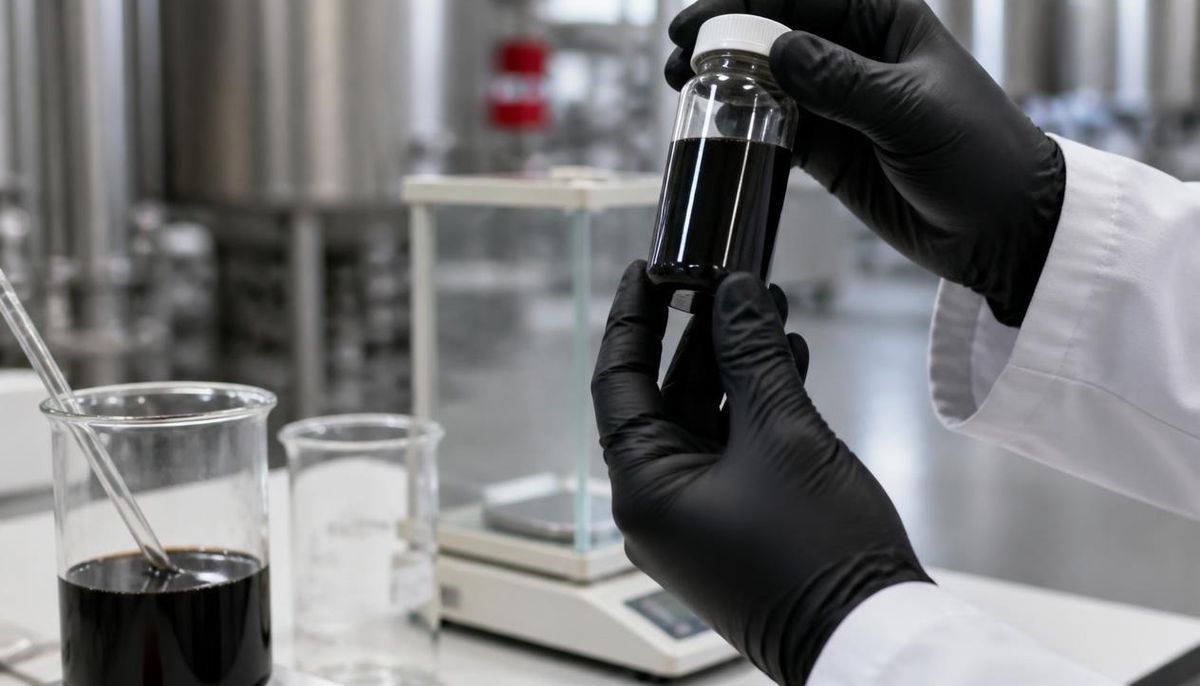
CHARLOTTE, NC — June 7, 2023 — Graphene Integrations has developed a graphene lubricant by integrating graphene into oleic acid and monomer. In independent lab testing, the graphene lubricant reduced four-ball wear-scar diameter by up to 42% and raised weld load by 26%.
Availability
An independent lab carried out the testing. The graphene lubricant additive is available from Graphene Integrations. We supply customers directly, and pricing is by quote.
What we don't claim yet
We do not publish fuel-economy, energy-saving, oil-life or field results. Performance depends on the base oil and additive package, so we test in each customer's formulation. The independent wear and weld load testing was carried out at an independent lab.
Watch: Can graphene make oil work better?
A short explainer from our Graphene, Explained series on how graphene helps lubricants protect metal surfaces.
Request a quote Learn about the graphene lubricant additive →
About Graphene Integrations
Graphene Integrations is a US graphene manufacturer in Charlotte, NC, making graphene-enhanced additives for coolants, lubricants, concrete and coatings. The company makes graphene and supplies it pre-mixed in water, solvents, resins and oils, never as a dry powder, so manufacturers can add it to products and processes they already run. Its products are patent pending and made in the USA. Learn more about Graphene Integrations.
Media contact
Frans Alkemade
CEO, Graphene Integrations
sales@grapheneintegrations.com
+1 (704) 659-3682
###
Translate bench protection into a formulation trial
GI’s lubricant additives use graphene integrated into oleic acid and monomer. The 1–7% by-weight treat-rate guidance concerns the supplied additive; agree the dosing basis and carrier for your formulation rather than treating it as neat-graphene content.
Independent four-ball lab testing found up to 42% smaller wear-scar diameter and 26% higher weld load in the tested carrier-fluid blends. These are useful anti-wear and extreme-pressure results, not a measured reduction in engine friction, fuel consumption or maintenance. They do not validate every finished oil or grease.
Compare the finished formulation with its own baseline: viscosity, additive-package compatibility, oxidation, filtration and the relevant wear/load tests. For grease, also check thickener compatibility and consistency; for hydraulics, check air release and pump behavior. Demonstrate any resource benefit with actual oil consumption, replacement parts, drain intervals and energy under matched duty, including additive production and end-of-life in the environmental balance.
Research / measurement reference · Continue with the application guide