
Graphene in Environmental Cleanup
Graphene and related materials such as graphene oxide are being researched for cleaning up water, air and spills, and for monitoring pollution. Most of this work is still in research or pilot stages. We supply graphene already dispersed in water, solvents and resins for developers who want to test it.
Where graphene is being researched for the environment
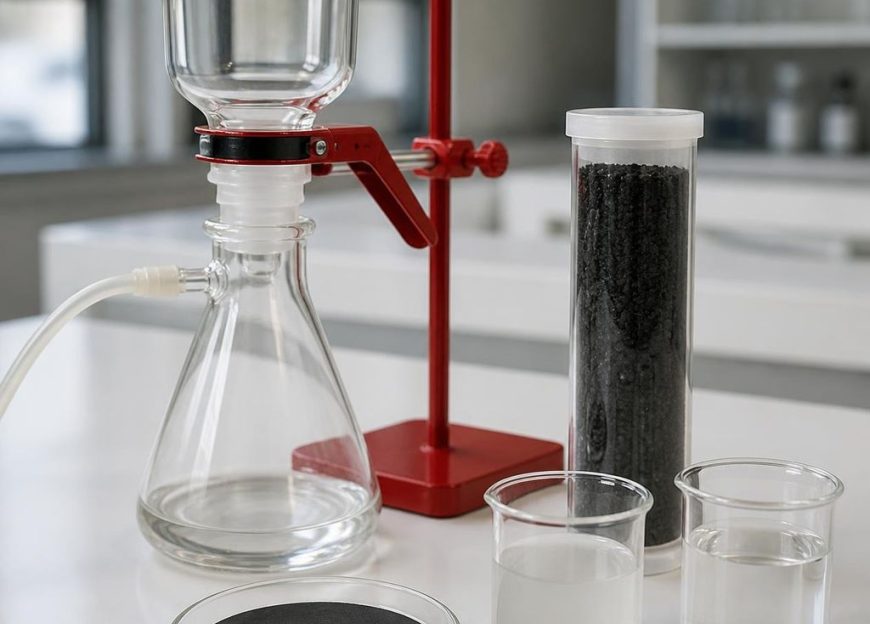
- Water filtration: graphene oxide membranes are studied for removing salts, heavy metals and organic contaminants from water, including for desalination.
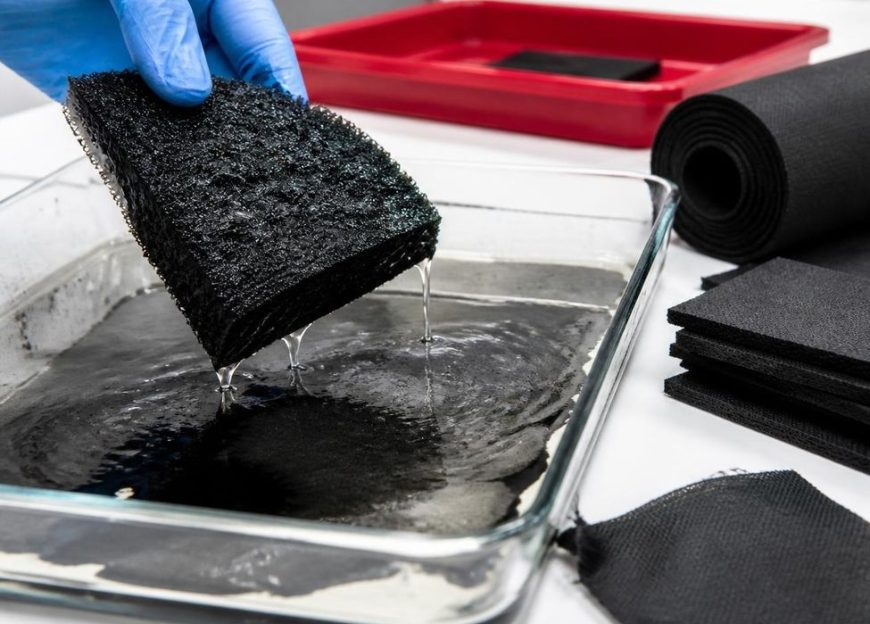
- Spill cleanup: in lab studies, graphene foams and aerogels absorb many times their own weight in oil and solvents and can be squeezed out and reused.
- Air filtration: graphene coatings on filter media are studied for capturing fine particles and some gases.
- Environmental monitoring: graphene sensors can detect very low levels of gases and contaminants.
- Lower-impact materials: stronger or longer-lasting materials can mean less material used or replaced.
What we can and can't claim today
We don't yet publish test data for graphene in filtration or cleanup. Where we do have data, it is about material performance: our graphene concentrate gave a 67% gain in concrete compressive strength at about a 1% dose in testing (graphene in concrete). Stronger concrete could let some designs use less cement, which is a large share of concrete's carbon footprint, but any saving has to be confirmed for each mix and design. A graphene-integrated lubricant reduced wear by up to 42% in independent testing at Univar's Houston lab (press release).
Work with us
Contact us to discuss testing graphene in a filtration, sorbent or sensor project, or see graphene manufacturing in America.