
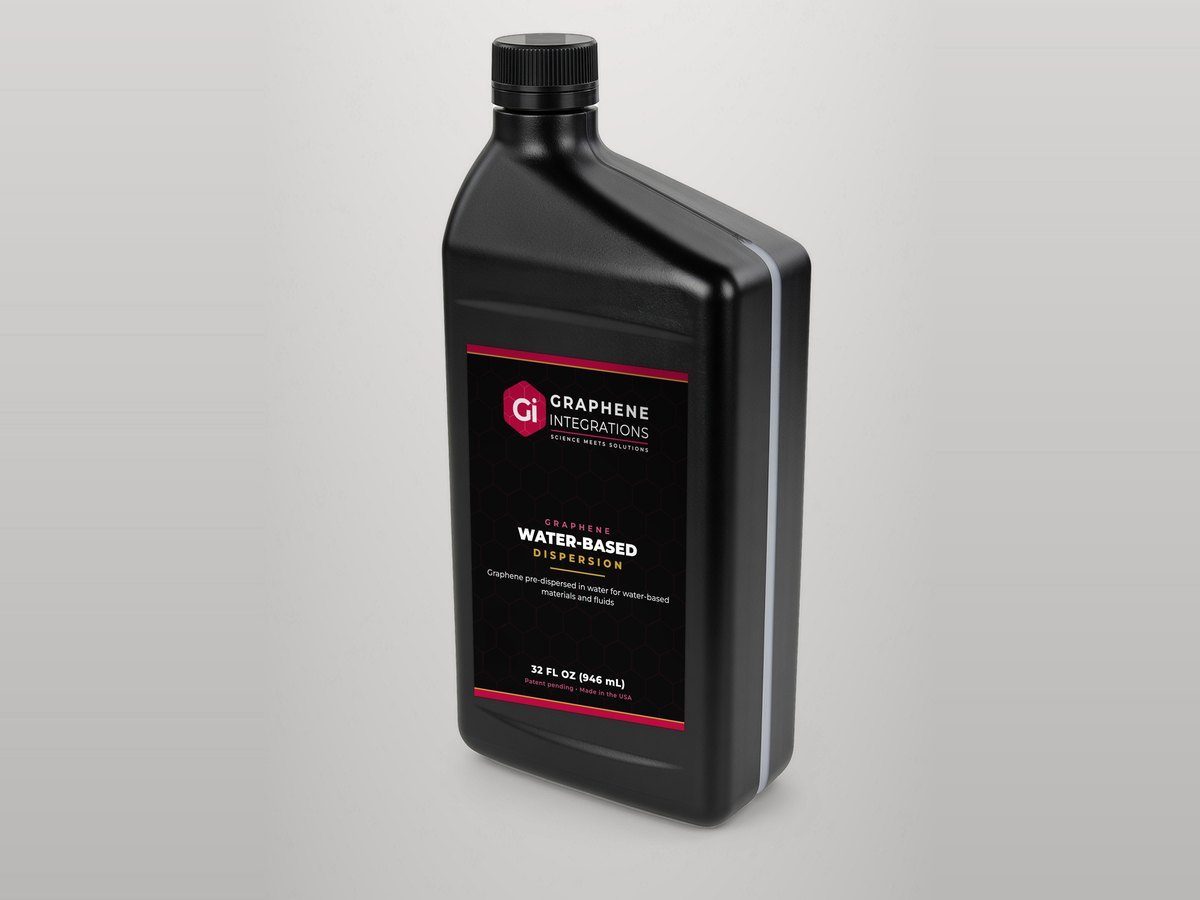
A graphene dispersion is only useful if the graphene stays spread through the liquid until you use it. This article covers the practical side: why particles in any dispersion can settle, how to store our products, how to remix them, and how to tell whether a container needs attention. If you are new to dispersions, start with what is a graphene dispersion.
Why dispersions can settle
Any dispersion of solid particles in a liquid is a balance. Gravity pulls particles down; their small size, the carrier's viscosity and the dispersing chemistry hold them up. Over long storage, some settling is normal in many dispersions, from paints to inks. What matters is whether the particles can be remixed easily and whether they have clumped together for good.
Two different things can happen:
- Soft settling: particles drift down but stay separate. Shaking or stirring brings them back. This is normal.
- Agglomeration: particles stick together into larger clumps that do not break up with normal mixing. This is what good dispersion chemistry and storage are designed to prevent.
Storage
- Keep containers closed. Evaporation of the carrier changes concentration and can promote clumping.
- Store at moderate temperature. Avoid extreme heat and direct sun. Follow the temperature guidance on the SDS.
- Protect water-based products from freezing. Freezing can force particles together as ice forms. If a water-based dispersion has frozen, thaw it, mix it thoroughly and check it before use.
- Store upright and away from contamination.
- Use first in, first out. Note the date you received each container.
Remixing before use
- Shake small bottles and jugs firmly before opening.
- For pails and larger containers, stir with a clean paddle or a low-shear mixer, reaching the bottom and corners.
- Check the bottom of the container for any layer that has not lifted.
- Pour or draw off only after the contents look uniform.
Our lubricant products, which are graphene integrated into Sylfat™ tall oil fatty acid (Kraton), and our water, solvent and resin dispersions all benefit from this simple step.
Signs a container needs attention
- A hard layer at the bottom that does not lift with stirring.
- Visible grains or specks in a drawn-down film or on a glass slide.
- A noticeable change in viscosity compared with a fresh container.
- Separation of the carrier that does not remix.
If you see any of these, do not use the material in production. Contact us with the batch number and a photo.
Shelf life
Shelf life depends on the product and carrier. Check the label and spec sheet, and if you plan to hold stock for a long time, ask us before you order. For critical applications, a quick check on an older container, such as a drawdown or a small test batch, is good practice before a production run.
Stability in your finished product
Once the graphene is in your product, your formula takes over. A dispersion that is stable in its own carrier can still settle or clump if the finished product's chemistry is not compatible. That is why we match the carrier to your system, and why storage stability of the finished product belongs in any trial. See our guide to running a graphene additive trial.
In closed loops
For coolants such as ThermaGraph, stability in circulation matters as much as stability on the shelf. Our ThermaGraph guide covers filtration and monitoring.
How stability is characterised
Laboratories describe dispersion quality using methods for particle size, layer number and concentration. ISO/TS 21356-1 sets out characterisation methods for graphene from powders and dispersions. Our article on graphene quality specifications explains the main properties.
Why pre-mixed, never powder
Dry graphene powder tends to restack, is difficult to disperse and creates dust. We disperse our graphene in-house in Charlotte, NC, so you receive it ready to use. All products are patent pending, made in the USA and contain no carbon black.
Receiving and inspecting a delivery
When a delivery arrives, check that containers are sealed and undamaged, note the batch number and date, and store them as above. For a first order, it is worth opening one container, mixing it and checking appearance against our spec sheet. That gives you a reference for later containers from the same or future batches.
See our graphene dispersions, read about our graphene production, or request a spec sheet / SDS.
Frequently asked questions
Is it normal for a graphene dispersion to settle?
Some soft settling during storage can be normal. It should remix with shaking or stirring. A hard layer that does not lift needs attention.
Can water-based graphene dispersions freeze?
Yes. Protect them from freezing. If one has frozen, thaw, mix thoroughly and check it before use.
What is the shelf life of a graphene dispersion?
It depends on the product and carrier. Check the label and spec sheet, and ask us if you plan to store stock for a long time.
How do I remix a pail?
Stir with a clean paddle or low-shear mixer, reaching the bottom and corners, until uniform.
What should I do if a container has a hard layer at the bottom?
Do not use it in production. Contact us with the batch number and a photo so we can advise.
Request a quote, samples or a spec sheet
Tell us your material, the property you want to improve, the carrier you use (water, solvent, resin or oil) and your volumes. Pricing and samples are by quote. Call 704-659-3682 or request a quote, samples or a spec sheet / SDS.


