
Published · Updated
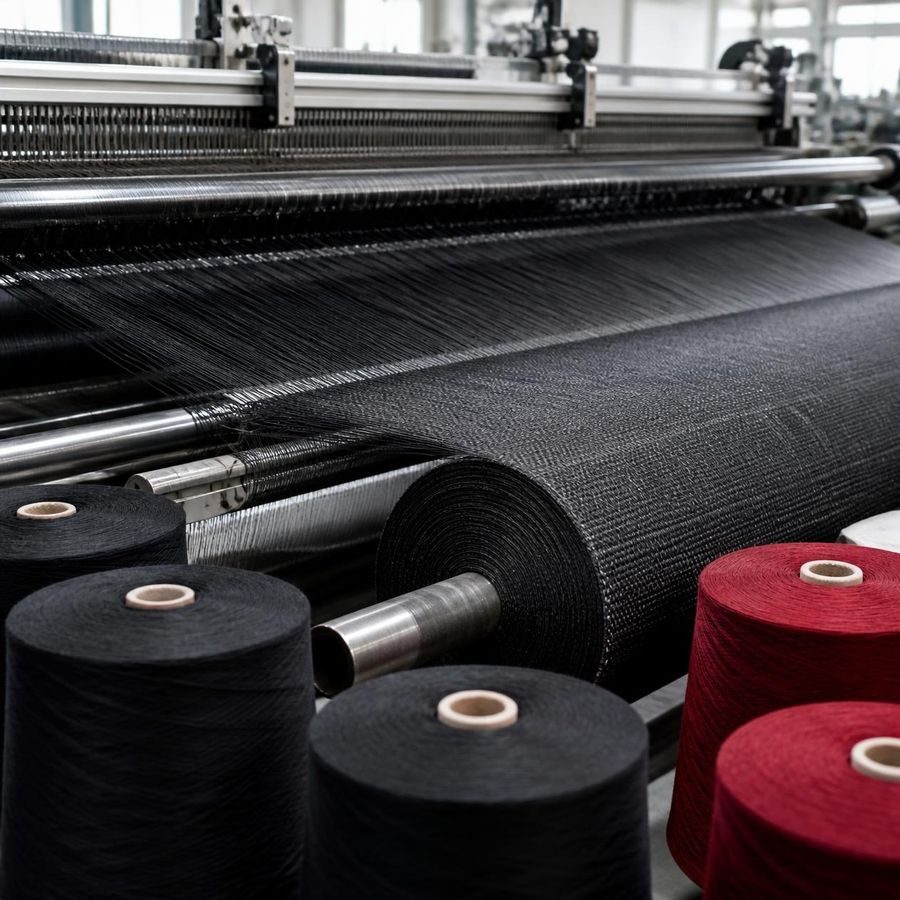
Graphene can be added to textiles as a coating, a printed layer or a filler in fibers. Researchers and brands are using it to add functions that ordinary fabrics don't have.
What graphene can add to fabric
- Heat spreading: graphene's thermal conductivity can spread heat more evenly across a fabric, which is used in some jackets and bedding.
- Electrical conductivity: conductive graphene inks and coatings can turn fabric into sensors, heating elements or anti-static layers for wearable electronics.
- Strength and wear resistance: graphene in fibers and coatings is studied for tougher, longer-lasting fabrics.
- Barrier properties: graphene coatings are researched for water and gas resistance.
How much of each benefit shows up depends on the fabric, the graphene and how it is applied, so every textile application needs its own testing. We don't make antibacterial or UV-protection claims for textiles.
Our work in textiles
We supply graphene already dispersed in water, solvents and resins, ready for coating, printing or adding to fibers. See our graphene in fabric project and graphene hunting gear.
Our verified results so far are in other materials, such as a 67.7% compressive strength gain in concrete at 5% by weight of cement in independent third-party testing in 2023, and four graphene car care products developed with ITW for Rain-X and Black Magic (ITW case study). Contact us to test graphene in your fabric, or see what else we make.
Build textile function that survives real use
Graphene textile additives can be investigated for conductive or thermal functions through a compatible finish or coating. Published reduced-graphene-oxide ink research demonstrates the importance of the binder–fiber interface and bending; rGO is not GI’s material and those results do not establish GI wash life or health benefits.
Agree the supplied-additive dose, carrier and application route for the fiber. Evaluate add-on mass, handle, breathability, color, resistance or thermal behavior before and after relevant washing, abrasion and flexing. Include release and exposure assessment where the intended use requires it.
Resource efficiency depends on retained function under actual care and service conditions. Compare manufacturing water and energy, coating losses, washing/drying needs, replacement frequency and end-of-life, including additive and carrier impacts. No antibacterial, medical, guaranteed energy-saving or certified low-carbon outcome follows from graphene inclusion alone.
Research / measurement reference · Continue with the application guide


