
Published · Updated
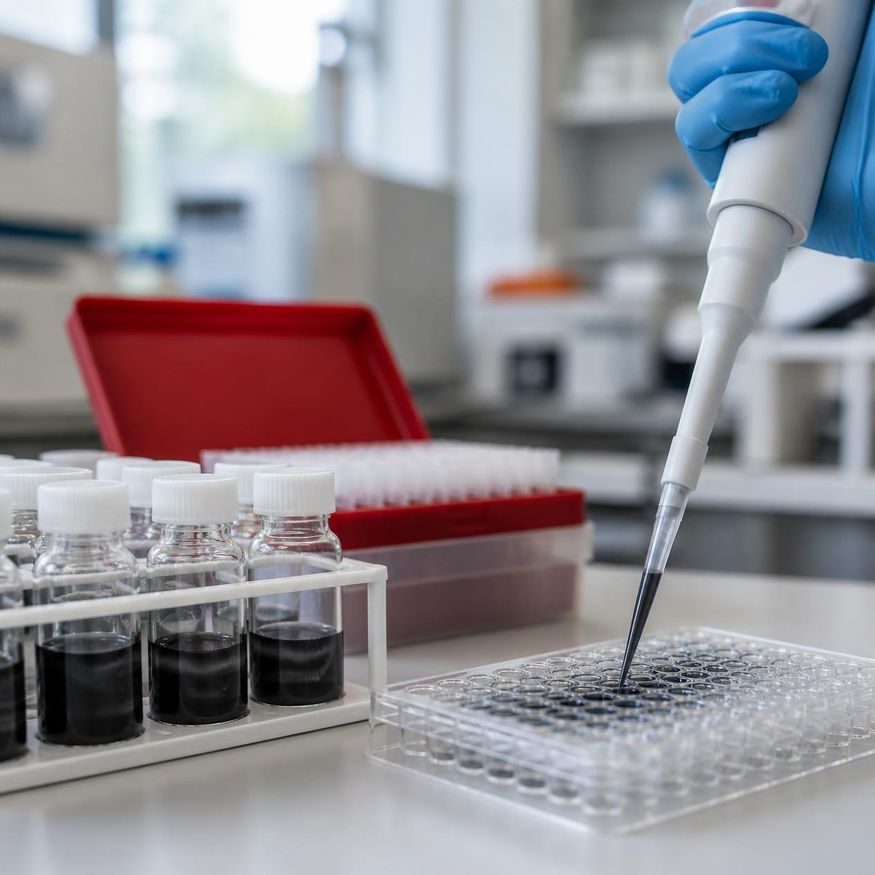
Graphene is being researched for healthcare because of its conductivity, its large surface area and how easily its surface can be modified. Most healthcare uses are still in research or early development, and medical products need regulatory approval before use.
Areas of research
- Biosensors and diagnostics: graphene's sensitivity to tiny changes in its surface makes it a candidate for sensors that detect biomarkers, glucose or pathogens.
- Wearable health monitoring: thin, flexible graphene sensors for heart rate, breathing, sweat or movement.
- Neural and medical electrodes: graphene's conductivity and flexibility are studied for electrodes that record or stimulate nerve signals.
- Drug delivery and therapy: graphene-based materials are being studied as carriers for drugs and for light-activated (photothermal) therapy. These are laboratory-stage research.
- Medical materials: graphene in polymers and composites for stronger or lighter device parts.
What we don't claim
Some articles describe graphene coatings as antibacterial or as making surfaces sterile. Results in the research literature vary with the type of graphene and how it is used, and we have not tested antibacterial performance in our products, so we make no such claim.
How we work
We make graphene in the USA and supply it dispersed in water, solvents, resins and oils, so developers can test it in their own materials. Our verified results so far are in other areas, such as a 67% compressive strength gain in concrete at about a 1% dose and up to 42% less wear in a lubricant in independent testing at Univar's Houston lab. See what we make or contact us about a research project.


