
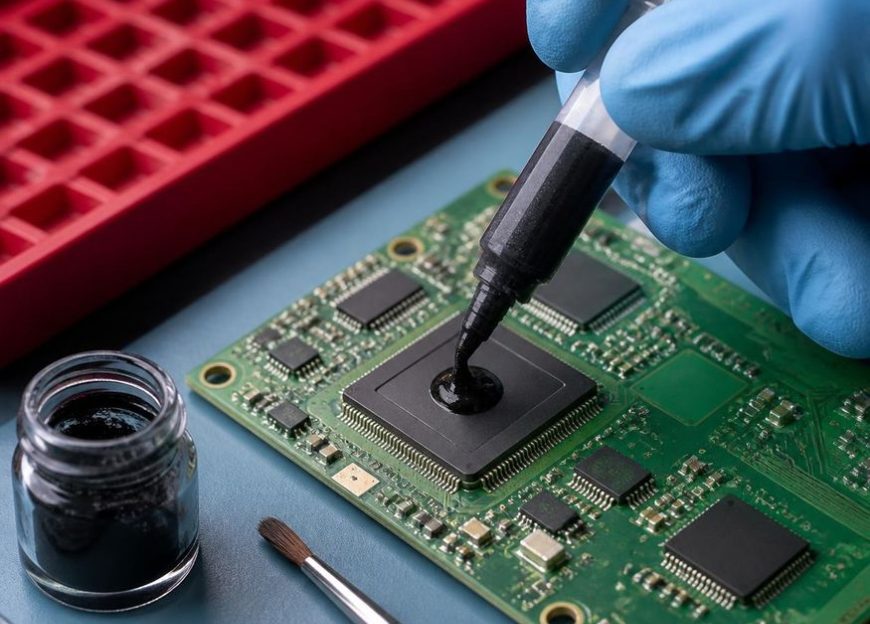
Graphene conducts electricity and heat very well, which is why electronics is one of the most researched areas for it. We make graphene and graphene concentrates, and supply them already dispersed in water, solvents and resins, so electronics manufacturers can test graphene in their own materials.
Where graphene is being explored in electronics
- Thermal management: graphene in films, pastes and fillers to spread heat away from components.
- Conductive inks and coatings: for printed circuits, antennas, and anti-static or shielding layers.
- Flexible electronics: graphene's strength and flexibility suit bendable circuits, sensors and wearables.
- Energy storage: as a conductive additive in battery and supercapacitor electrodes (see graphene in energy storage).
- Sensors: graphene responds to strain, gases, light and temperature.
What we can and can't claim today
We don't yet publish test data for graphene in electronic components, and results depend on the material, the graphene grade and how well it is dispersed. For liquid cooling of electronics, our ThermaGraph™ coolant for indoor water loops showed a +6% to +18% higher convective heat transfer coefficient than a glycol baseline in internal pumped-loop lab tests. That is lab data, not field data (ThermaGraph™ data center coolants).
Learn more
Contact us to test graphene in your material.